What Is a Compensator? A Beginner’s Guide
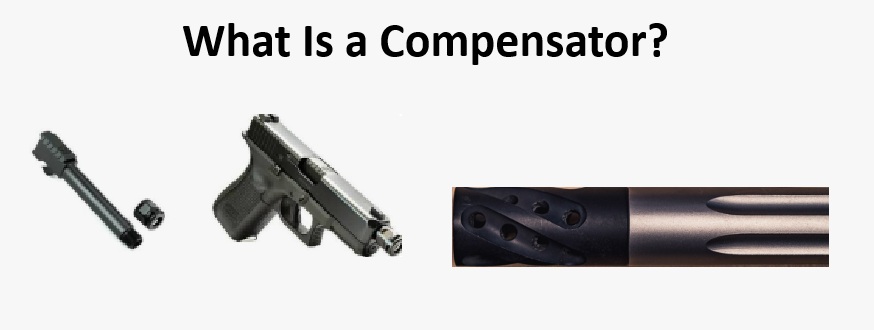
If you have been shopping for pistols lately, you have probably seen the word “compensator” or “comp” in product names. A compensator is a set of ports or slots cut into the barrel and slide near the muzzle. When you fire, some of the hot gas behind the bullet escapes upward through those ports. That upward blast pushes the muzzle down, fighting the natural flip that sends the front sight climbing with every shot. The result is a flatter-shooting pistol and faster, more controlled follow-up shots.
That is the whole idea in one paragraph. But new shooters often mix compensators up with three other muzzle devices, so let us sort them out.
How a compensator actually works
Every shot produces two things: a bullet going forward and a jet of high-pressure gas going everywhere. In a normal pistol, most of that gas exits forward behind the bullet, and the recoil shoves the gun straight back into your hands. Because the barrel sits above your grip, that rearward push also rotates the muzzle upward. That rotation is muzzle rise, and it is what knocks your front sight off target between shots.
A compensator gives some of that gas a second exit: upward. Gas jetting up pushes the muzzle down, partly canceling the rise. The gun still recoils into your hands about the same, but the sights settle back on target faster. Think of it less as “less recoil” and more as “less flip.”
Compensator vs. muzzle brake vs. flash hider vs. suppressor
These four get confused constantly. Here is the plain difference:
- Compensator: vents gas upward to reduce muzzle rise. Mainly a pistol thing, though rifles use them too.
- Muzzle brake: vents gas sideways and slightly backward to reduce felt recoil pushing into your shoulder. Common on rifles. A brake does little for muzzle flip compared to a comp.
- Flash hider: does not reduce recoil or rise at all. It breaks up the burning gas so the muzzle flash is smaller and less blinding, which matters for night shooting. It changes what you see, not what you feel.
- Suppressor (silencer): traps and slows the expanding gas to reduce the sound of the shot. It is the only one of the four that makes the gun quieter. A compensator does the opposite: it makes the gun louder for the shooter.
If someone tells you a compensator quiets the gun, they have it backwards.
What it feels like to shoot one
The good: the pistol tracks flatter. During rapid strings of fire, the front sight bounces less and returns quicker, so your splits (the time between shots) get shorter without extra effort. Many shooters describe it as the gun “staying planted.”
The tradeoffs are real, though. A comp makes the blast louder and sharper for you and for anyone standing beside you. At an indoor range, your neighbors will notice. The ports also throw unburned powder and carbon upward, which can dirty your front sight faster. And a ported slide is longer, bulkier, and throws more flash in low light, which is why many instructors do not recommend a comp on a carry gun.
Do you need one?
For a first handgun, no. A compensator cannot fix a weak grip or a jerky trigger press, and it adds blast, bulk, and cost. Learn the fundamentals on a standard pistol first; the skills transfer to everything else you will ever shoot.
A comp starts making sense when you can already shoot well and want an edge: action pistol competition, for example, where fractions of a second matter, or a dedicated range gun where comfort and speed are the whole point. Even then, try one before you buy one. Many ranges rent compensated pistols, and ten minutes of live fire teaches more than any article.
One legal note: a compensator is just a barrel feature under federal law, not a regulated item like a suppressor. Some states restrict threaded barrels, which is a different thing, so check your state and local rules if you are buying a comp that threads on rather than one machined into the barrel.
FAQ
Does a compensator reduce recoil?
Mostly it reduces muzzle rise (flip), not the rearward push into your hands. You will feel about the same shove, but the sights stay closer to the target.
Will a compensated pistol fit my holster?
Maybe not. Ports change the slide profile, and some holsters index on the muzzle. Confirm fit with your exact holster before carrying.
Can I add a compensator to the pistol I already own?
Sometimes. Some pistols accept threaded barrels with screw-on comps; others need a gunsmith to machine ports into the existing barrel and slide. A screw-on comp on a pistol that was not designed for one can affect reliability, so research your specific model first.
This post was drafted by Matia, A1 Firearms Training’s AI news assistant.